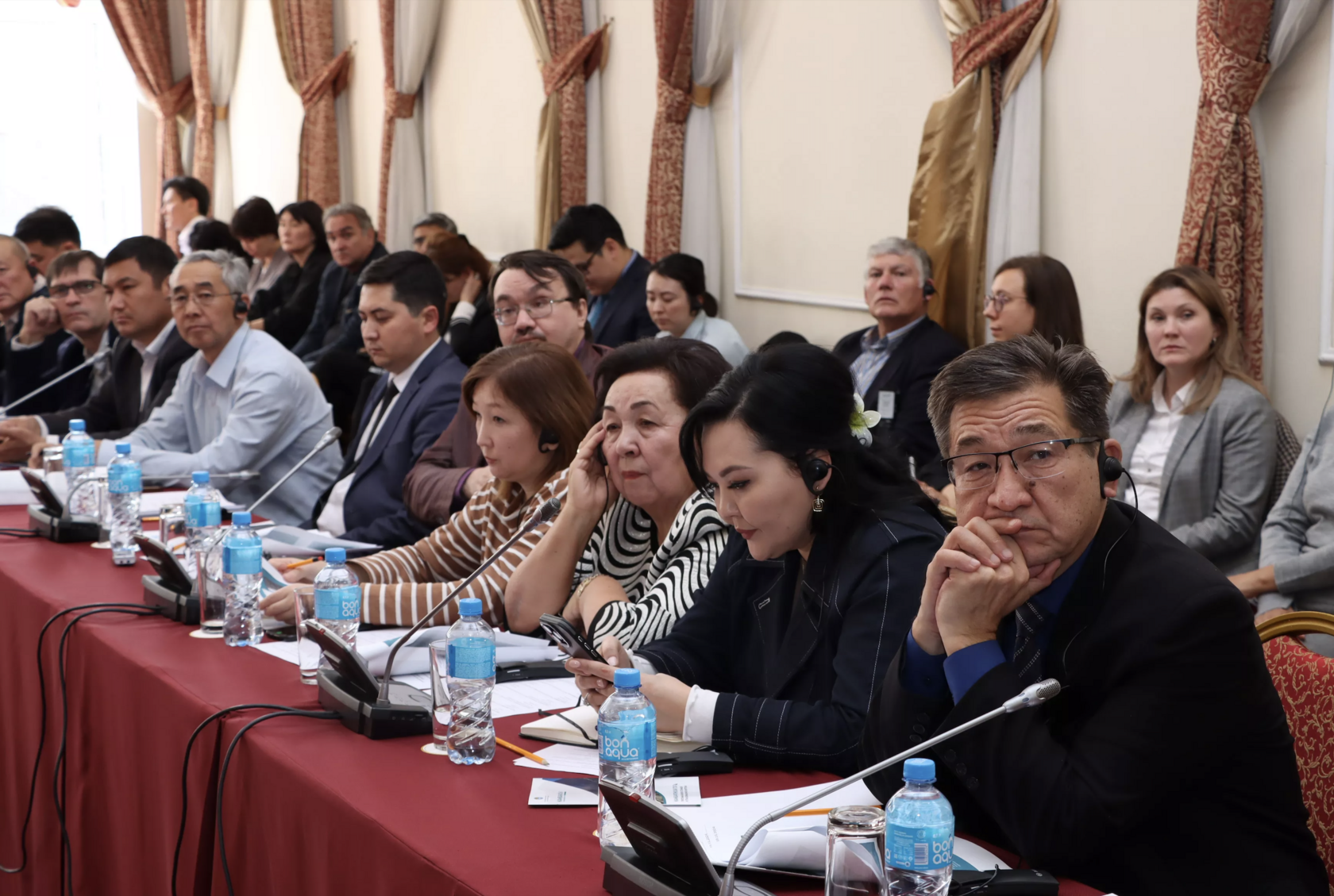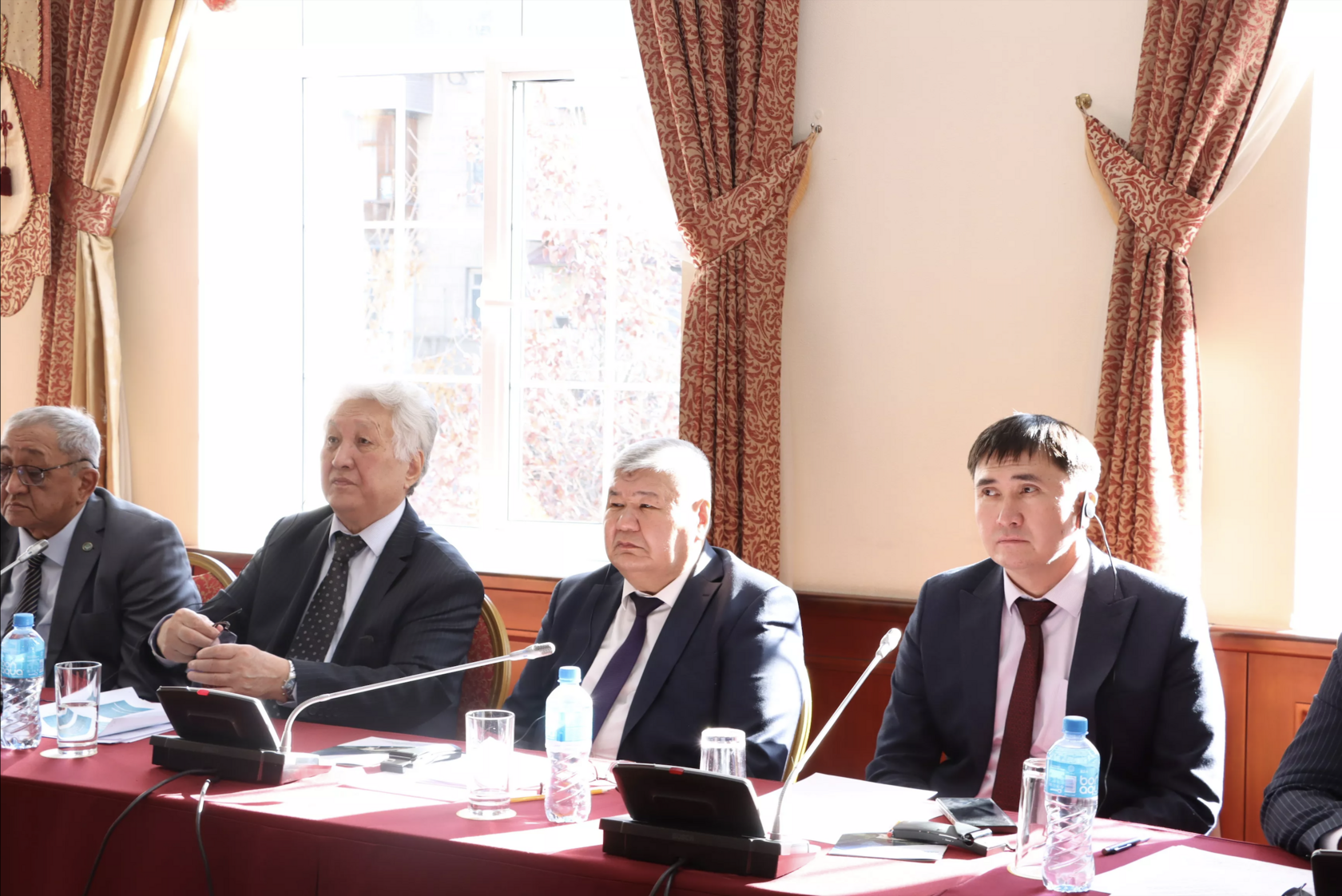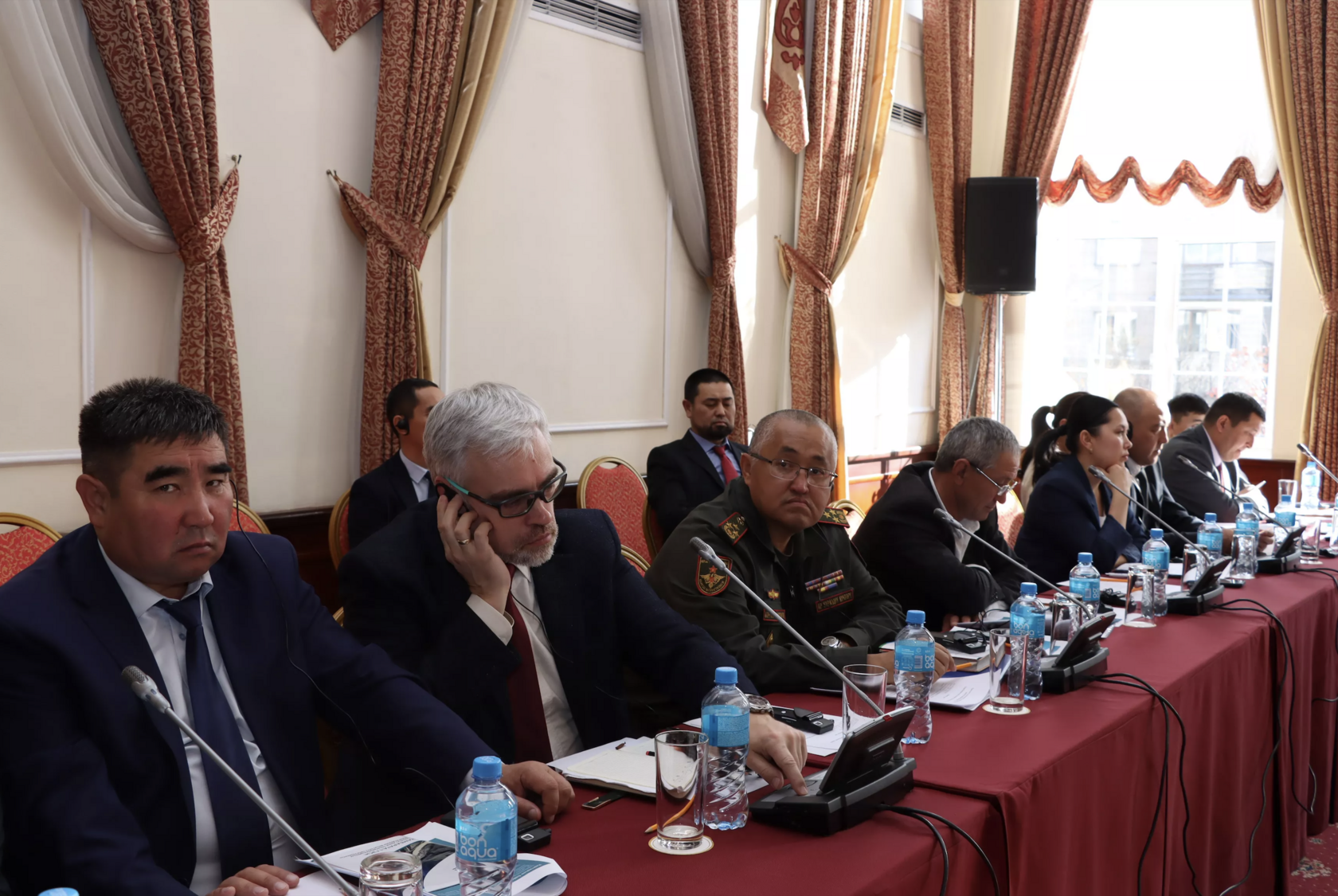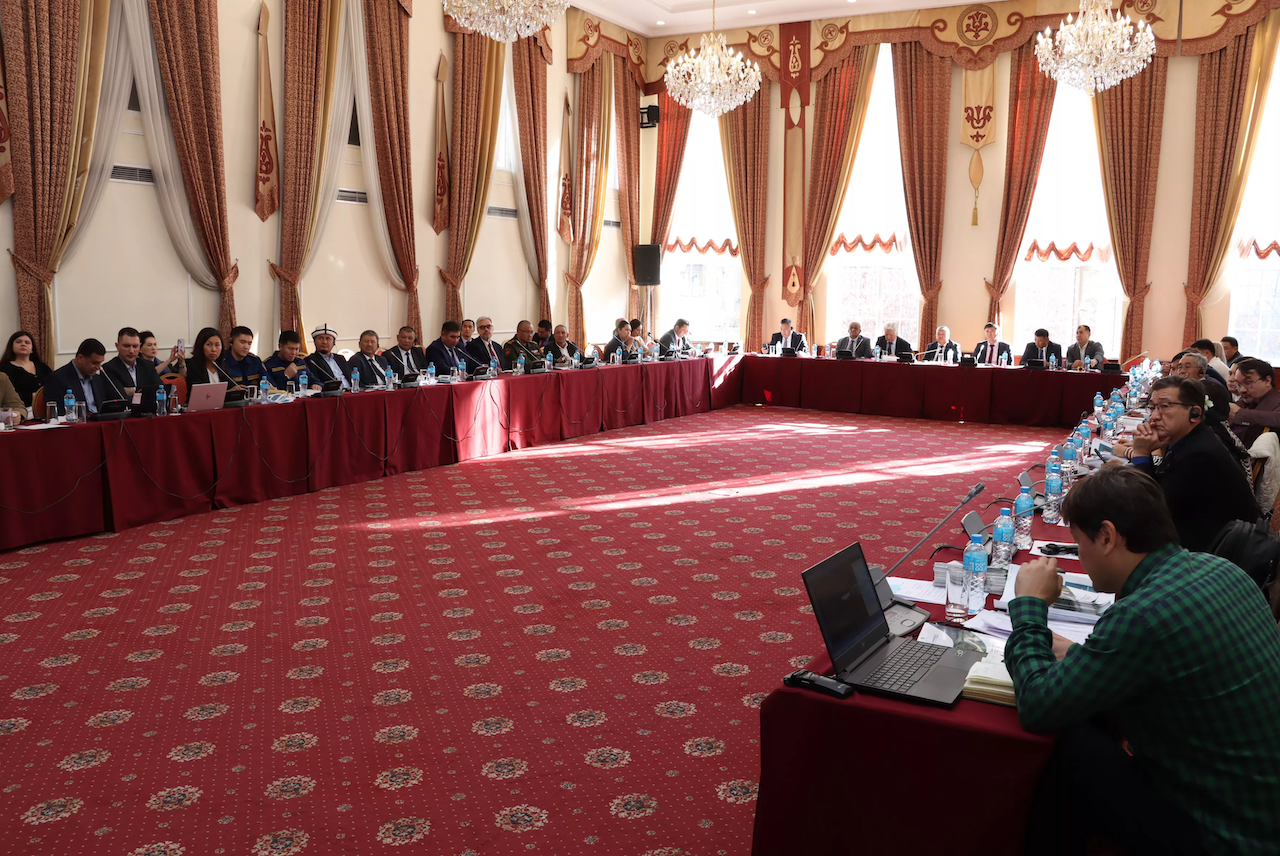
On November 19, 2024, in Bishkek, the initial round of national consultations was held regarding the environmental and social impact assessment of the Kambarata-1 Hydroelectric Power Plant (HPP) construction project in the Kyrgyz Republic. The event, organized by the Ministry of Energy, brought together representatives from local and international non-governmental organizations, experts, government officials, and local authorities.
The primary goal of the national consultations is to foster an effective and open dialogue on the environmental and social impacts of the project, and to develop mitigation measures.
Kyrgyzstan's Minister of Energy, Taalaibek Ibraev, emphasized the importance of involving the broader public, particularly local and international non-governmental organizations, in the discussions surrounding this strategic project.
“Kambarata-1 HPP is a project of national significance that impacts the lives of every Kyrgyz citizen. We must consider the opinions and recommendations of all stakeholders throughout the preparation, construction, and operation phases of the hydroelectric station. Open consultations provide a platform for engagement among all stakeholders, promoting transparency and ensuring the project's sustainability,” Ibraev said.
During the consultations, participants were briefed on the current status of the Kambarata-1 HPP project and its implementation plans and were invited to offer their proposals for the social and environmental assessments of the project.
Previously, in October and November 2024, the Ministry of Energy conducted a series of consultations with local communities affected by the project. These consultations focused on the needs of residents in the Toktogul and Toguz-Toro districts (villages of Nichke-Sai, Toluk, Sary-Kamysh, and Kazarman), which will be taken into account as part of the social and environmental assessments.
The Ministry of Energy plans to hold additional rounds of consultations at both local and national levels, as well as with stakeholders in the Republic of Kazakhstan and the Republic of Uzbekistan.
Kambarata-1 HPP is a transformative clean energy project aimed at enhancing energy security, improving water resource management, strengthening regional cooperation, and accelerating the transition to clean energy in the Kyrgyz Republic and Central Asia.
The primary goal of the national consultations is to foster an effective and open dialogue on the environmental and social impacts of the project, and to develop mitigation measures.
Kyrgyzstan's Minister of Energy, Taalaibek Ibraev, emphasized the importance of involving the broader public, particularly local and international non-governmental organizations, in the discussions surrounding this strategic project.
“Kambarata-1 HPP is a project of national significance that impacts the lives of every Kyrgyz citizen. We must consider the opinions and recommendations of all stakeholders throughout the preparation, construction, and operation phases of the hydroelectric station. Open consultations provide a platform for engagement among all stakeholders, promoting transparency and ensuring the project's sustainability,” Ibraev said.
During the consultations, participants were briefed on the current status of the Kambarata-1 HPP project and its implementation plans and were invited to offer their proposals for the social and environmental assessments of the project.
Previously, in October and November 2024, the Ministry of Energy conducted a series of consultations with local communities affected by the project. These consultations focused on the needs of residents in the Toktogul and Toguz-Toro districts (villages of Nichke-Sai, Toluk, Sary-Kamysh, and Kazarman), which will be taken into account as part of the social and environmental assessments.
The Ministry of Energy plans to hold additional rounds of consultations at both local and national levels, as well as with stakeholders in the Republic of Kazakhstan and the Republic of Uzbekistan.
Kambarata-1 HPP is a transformative clean energy project aimed at enhancing energy security, improving water resource management, strengthening regional cooperation, and accelerating the transition to clean energy in the Kyrgyz Republic and Central Asia.